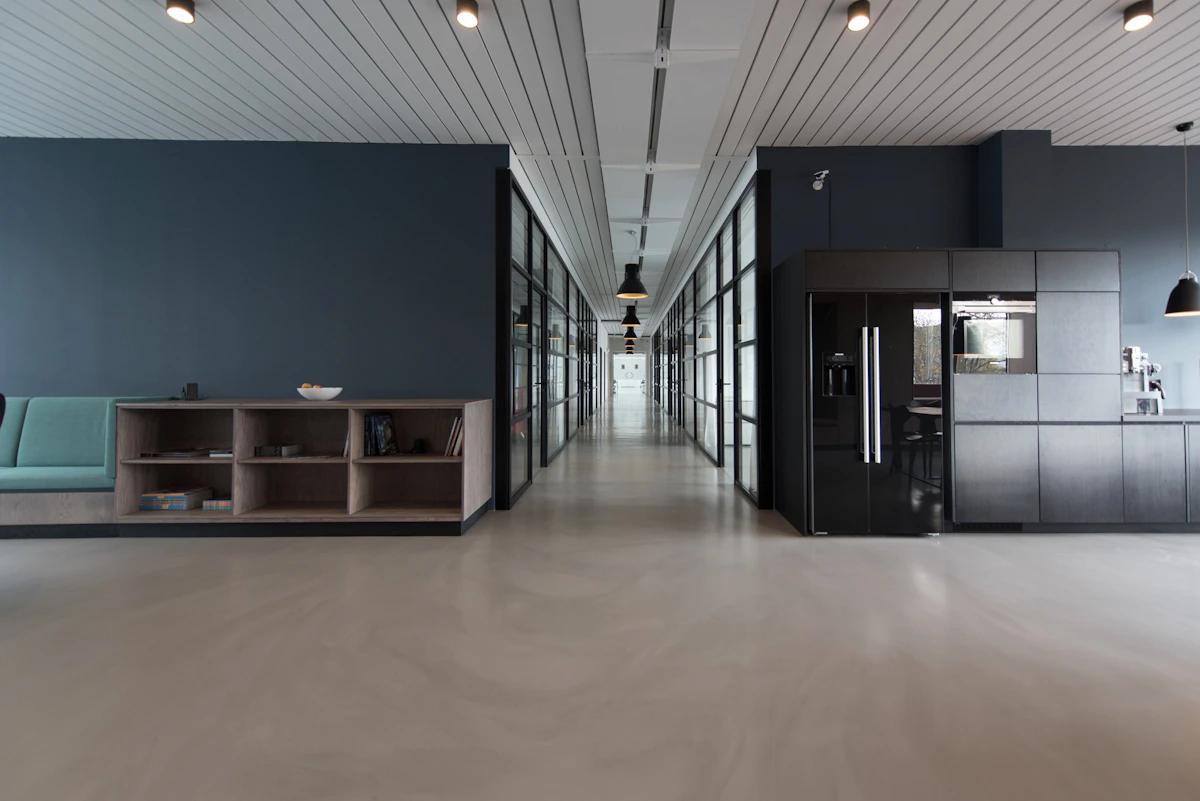
Designing Workspaces People Actually Want to Commute For

Hybrid work changed the question every office has to answer. It's no longer 'where do we seat everyone?' but 'why would anyone come in?' The offices that stay full aren't the ones with the most desks — they're the ones with the most reasons.
Start with the arrival experience. People decide how they feel about a workplace in the first thirty seconds: light, scent, greeting, coffee. Then design for the three modes of a real workday — focus, collaboration and recovery. That means quiet zones that are genuinely quiet, meeting spaces built for the meetings teams actually have, and corners where nobody is performing productivity.
Acoustics matter more than aesthetics. An office can survive dated furniture; it cannot survive a sales team's calls bleeding into an engineer's deep work. Invest in sound before art.
Finally, program the space. Community events, learning sessions and even a predictable great lunch give people appointments worth commuting for. The best workspaces behave less like real estate and more like a service — measured not in occupancy, but in how often people choose to show up.